Understanding Merlot Wines
Merlot, a dark blue-colored grape variety, is one of the world's most popular red wines. Originating from the Bordeaux region of France, Merlot has found a home in wine regions worldwide, from the sunny vineyards of California to the cool climate vineyards of New Zealand.
Merlot wines are known for their soft, velvety texture and approachable style. They often exhibit flavors of dark fruits like plum, black cherry, and blackberry, complemented by notes of chocolate, vanilla, and sometimes, a hint of earthiness. The wine's profile can vary significantly depending on the climate and soil where the grapes are grown.
In cooler climates, Merlot tends to produce wines with higher acidity and more pronounced red fruit and herbal flavors. In contrast, warmer climates often yield Merlot wines with riper, darker fruit flavors and softer tannins. Regardless of the climate, Merlot wines are loved for their smoothness and easy-drinking nature.
The Science of Wine Aging
To understand the aging potential of Merlot wines, we first need to delve into the science of wine aging. Wine aging is a complex process influenced by several factors, including the wine's acidity, tannin structure, alcohol content, and residual sugar.
Acidity acts as a preservative in wine, helping to maintain its freshness over time. Wines with higher acidity levels generally have a longer aging potential. Tannins, naturally occurring compounds found in grape skins, seeds, and stems, also play a crucial role in a wine's aging potential. They contribute to the wine's structure and complexity and act as antioxidants, protecting the wine from spoilage.
Alcohol content can also influence a wine's longevity. Higher alcohol levels can preserve a wine, but if not balanced with other elements, they can lead to a wine's premature aging. Lastly, residual sugar, while often associated with sweet wines, can also act as a preservative, enhancing a wine's aging potential.
Factors Influencing the Aging Potential of Merlot Wines
The aging potential of Merlot wines is influenced by several factors, including the grape's inherent characteristics, the winemaking techniques used, and the conditions under which the wine is stored.
Merlot grapes are naturally high in sugar, which translates into higher alcohol levels in the wine. They also have moderate acidity and tannin levels, which contribute to their aging potential. However, the grape's characteristics alone do not determine the wine's longevity.
Winemaking techniques play a significant role in shaping a Merlot wine's aging potential. For instance, the use of oak barrels for aging can impart tannins to the wine, enhancing its structure and longevity. The duration of maceration, the process where the grape juice is in contact with the skins and seeds, can also influence the wine's tannin structure and, consequently, its aging potential.
The Aging Potential of Merlot Wines
So, what is the aging potential of Merlot wines? The answer is not straightforward as it depends on various factors, including the ones mentioned above.
Generally, Merlot wines are known for their approachability and are often enjoyed young. However, high-quality Merlot wines, especially those from renowned wine regions like Bordeaux and Napa Valley, can age beautifully for a decade or more. These wines typically have a good balance of acidity, tannins, and alcohol, which allows them to evolve and develop complexity over time.
As Merlot wines age, their fruit flavors can become more subdued, and secondary flavors like leather, tobacco, and earth can emerge. The tannins also soften over time, contributing to a smoother, more rounded mouthfeel.
Storing Merlot Wines for Aging
If you're planning to age your Merlot wines, proper storage is crucial. The conditions under which the wine is stored can significantly impact its aging process and its quality over time.
Wine should be stored in a cool, dark place, ideally at a constant temperature of around 55°F (13°C). Fluctuations in temperature can cause the wine to expand and contract, potentially leading to leakage or spoilage.
Humidity is another important factor to consider. A relative humidity of about 70% is ideal for preventing the cork from drying out and allowing air into the bottle, which can oxidize the wine.
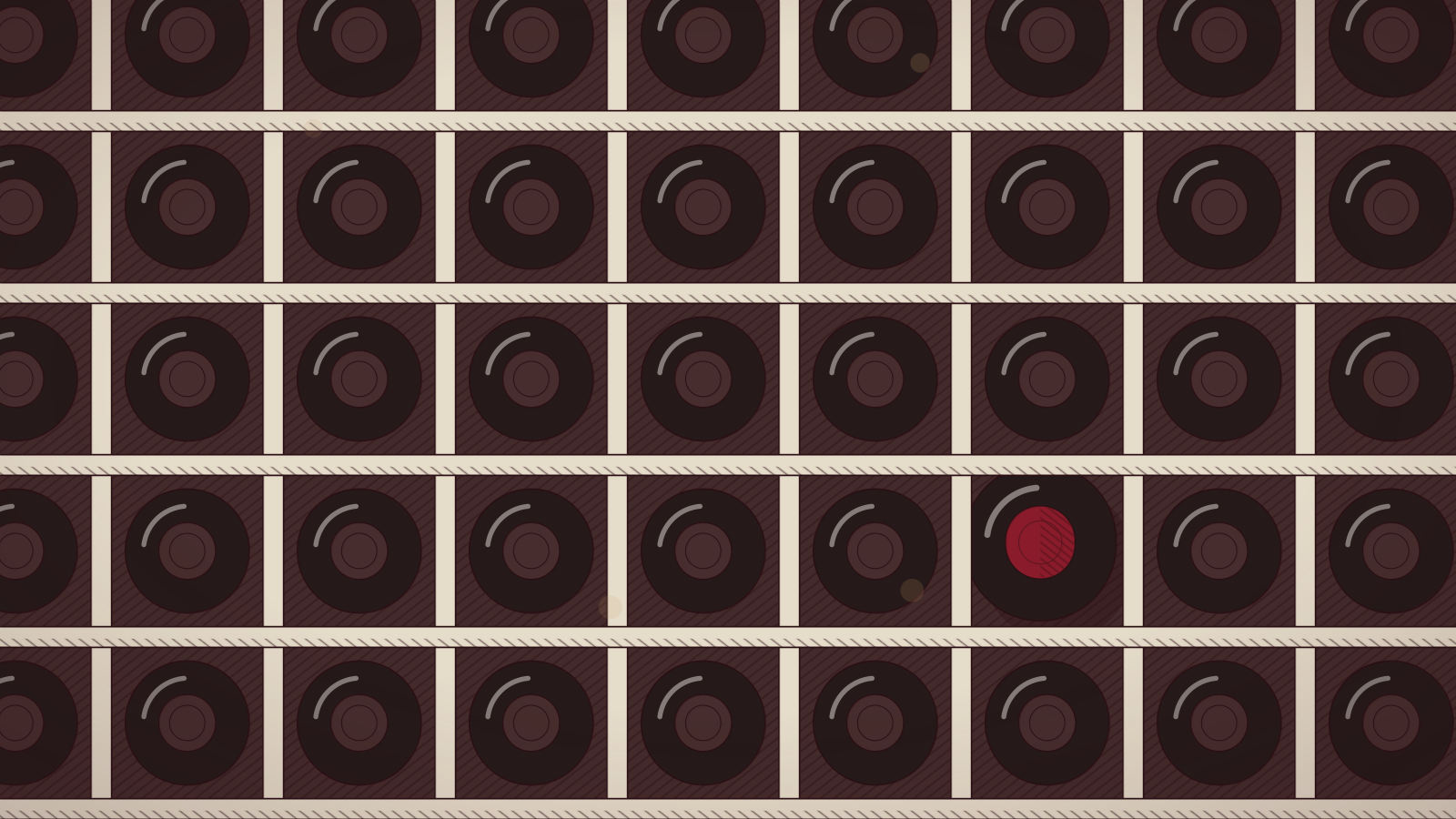
Lastly, wines should be stored horizontally to keep the cork moist and prevent it from drying out. A dry cork can shrink, allowing air to enter the bottle and spoil the wine.
Enjoying Aged Merlot Wines
When the time comes to enjoy your aged Merlot, you'll want to decant the wine first. Decanting helps to aerate the wine, releasing its aromas and flavors. It can also help to separate any sediment that may have formed during the aging process.
Aged Merlot wines pair well with a variety of foods. Their complex flavors and smooth texture complement dishes like roasted lamb, grilled steak, and mushroom risotto.
Remember, wine is a living, evolving entity, and its aging journey can be unpredictable. Some wines may reach their peak earlier than expected, while others may continue to improve with age. The key is to enjoy the journey and savor the unique experience that each bottle of aged Merlot offers.
The Journey of Aging Merlot Wines
The aging potential of Merlot wines is a complex interplay of factors, from the grape's inherent characteristics to the winemaking techniques used and the storage conditions. While Merlot wines are often enjoyed young for their fruit-forward flavors and smooth texture, they can also age beautifully, developing complexity and depth over time. Whether you're a seasoned wine collector or a casual wine lover, exploring the aging potential of Merlot wines can be a rewarding journey filled with delightful discoveries.